Badge Icons for Graphic Design
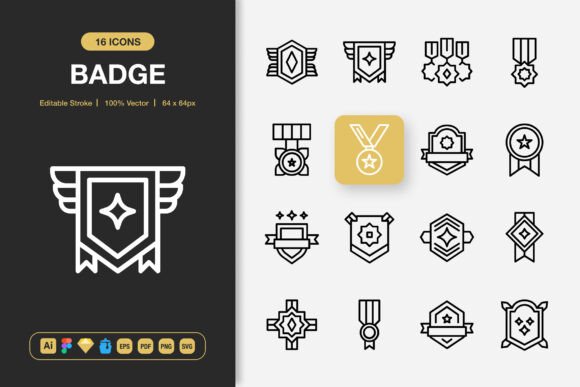
As a brand designer with years of experience, I’ve seen countless design assets come and go. But when I first encountered Badge Icons, I knew they had the potential to elevate real local business branding in meaningful ways. This set of high-quality icons is more than just decorative elements—it’s a versatile graphic design asset that can transform how small businesses present themselves visually.
The First Impression: A Mood for Local Business
Badge Icons immediately create a sense of clarity and modernity. The minimalist icon design feels clean and approachable, making it ideal for brands that want to convey friendliness or professionalism without being overly formal. Whether it’s a bakery, a handmade soap business, or a boutique store, these icons suggest a brand that values thoughtful design and visual storytelling.
The style is neither too bold nor too soft, which makes it adaptable for various brand personalities. It works well for both playful and elegant projects, depending on how it’s applied. For example, a skincare brand might use it to add subtle accents to product labels, while a coffee shop could integrate it into social media graphics to reinforce a cohesive aesthetic.
Real-World Applications for Small Business Branding
Badge Icons are incredibly useful across multiple aspects of small business branding. From logo design to packaging design, these icons can be used to enhance visual hierarchy and create a stronger first impression. They’re perfect for product labels, where a simple icon can help customers quickly identify key features or benefits.
For product packaging, Badge Icons can serve as accents that draw attention without overwhelming the design. They also work well in printable design elements like thank-you cards, hang tags, and stickers—tools that help build customer relationships and reinforce brand identity.
In social media graphics and website banners, these icons can act as visual cues that guide the viewer’s eye and support the message. They’re especially effective in promotional ads, where clarity and impact matter most. Whether it’s a seasonal campaign or a new product launch, Badge Icons can help create a polished look that stands out from the competition.
Supporting Business Presentation and Customer Trust
One of the most valuable aspects of Badge Icons is their ability to improve business presentation. When used effectively, they contribute to a stronger first impression, better product recognition, and clearer visual hierarchy. These elements are essential for small businesses looking to build trust and establish a professional image.
For local businesses, this means more consistent brand identity across all touchpoints. Whether it’s a menu graphic, a flyer, or a business card, these icons help maintain a unified look that strengthens the brand’s presence. They also play a role in improving shelf appeal, making products more noticeable in crowded retail environments.
Additionally, Badge Icons can help create a stronger emotional connection with customers. By adding subtle design elements that reflect the brand’s personality, businesses can make their offerings feel more personal and authentic. This is especially important for handmade or artisanal brands that rely on storytelling and customer engagement.
Where Badge Icons Shine
Badge Icons excel in applications where visual interest is needed without distracting from the main message. They work best as product labels, packaging accents, or hero graphics that highlight key information. For example, a candle brand might use them to indicate scent notes or burning time on product packaging.
They also shine in promotional banners and seasonal campaign visuals, where they can add a touch of creativity without complicating the design. In boutique visuals and social media graphics, these icons help create a cohesive aesthetic that aligns with the brand’s overall style.
Where to Use with Caution
While Badge Icons are highly versatile, there are situations where they may not be the best choice. In formal corporate branding, for instance, they might feel too casual or decorative. Similarly, they should be used carefully on very small labels or in crowded layouts where space is limited.
When working with ingredient-heavy designs or legal information areas, it’s important to ensure that the icons don’t compete with critical text. Low-contrast backgrounds can also make them less visible, so testing is essential. Luxury minimalist brands may find that these icons add unnecessary detail, and designers should consider whether they align with the brand’s core identity.
Practical Designer Notes for Real Projects
Before finalizing any design, I always recommend testing Badge Icons on real packaging mockups. Check how they look in black and white, on small labels, and alongside different brand colors. Previewing them next to various font styles—serif, sans serif, script, handwritten, or display—can reveal how they interact with typography.
Ensure that the commercial license covers all intended uses, especially if you're working on client projects or physical product sales. Review PNG transparency and inspect SVG or vector editability to confirm flexibility in different formats. Also, compare the icons with competitor packaging to ensure your design stands out while maintaining consistency.
For digital products, Badge Icons can be used in Canva templates, web design, or editorial design projects. As a graphic design asset, they offer a level of quality that supports professional branding efforts, whether it’s for a food business, home decor shop, or children’s product brand.
Final Thoughts on Badge Icons
Badge Icons are a valuable addition to any small business’s design toolkit. Their minimalist approach and adaptability make them suitable for a wide range of applications, from product labeling to social media graphics. When used thoughtfully, they can enhance brand identity, improve customer trust, and elevate marketing visuals.
Whether you’re a local business owner, a packaging designer, or a creative entrepreneur, Badge Icons offer a practical solution for creating cohesive and professional-looking designs. With careful consideration and proper testing, they can become an essential part of your commercial design workflow.